
01场地与历史:一处关于书写与修心的文化记忆
Site and History: Cultural Memory of Calligraphy and Self-Cultivation
洗墨池位于一处具有历史记忆的场地之中。根据地方文献与民间传说,这里被认为与东晋书法家王羲之有关,传说其在此洗笔洗墨。无论传说本身的历史准确性如何,“洗墨池”这一名称所承载的文化意象却长期存在于地方文化记忆之中。
The Ink Wash Pool (also known as“Xi Mo Chi”) sits on a site steeped in historical memory. Local chronicles and folklore associate it with Wang Xizhi, the celebrated calligrapher of the Eastern Jin dynasty, who was believed to have washed his inkstone and brushes here. While the historical accuracy of this legend remains uncertain, the imagery of “Ink Wash Pool” has long carried symbolic significance in local cultural memory.
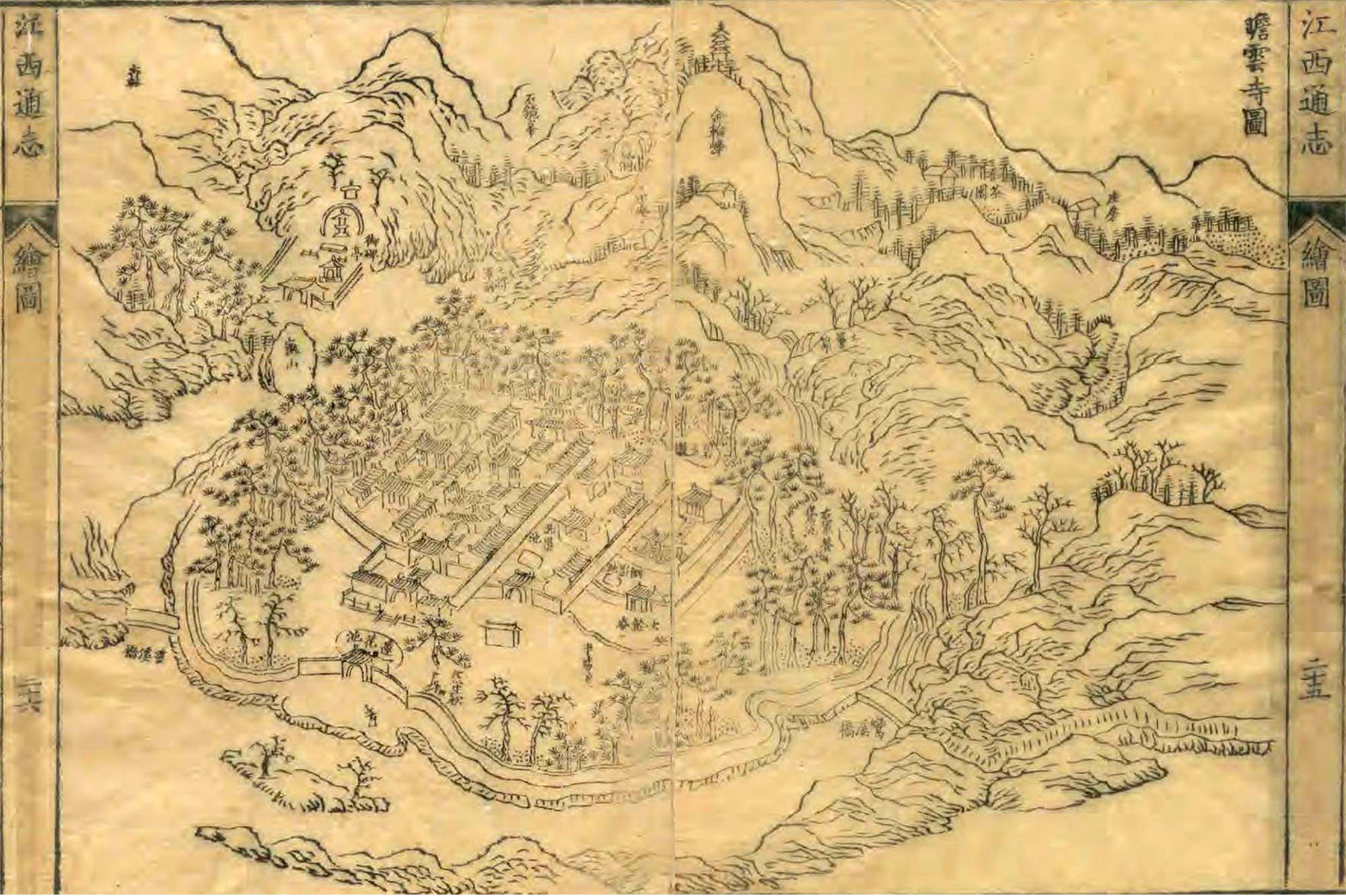
∇ 三百年前,雍正版《江西通志》绘制的归宗寺洗墨池的具体位置,与鸾溪桥参照在古驿道同水平位置,与现状相符。
As recorded in the Yongzheng-era Jiangxi Gazetteer over three centuries ago, the Ink Wash Pool at Guizong Temple aligned with the Luanxi Bridge at the same elevation along the ancient post road—a spatial relationship that remains consistent today.
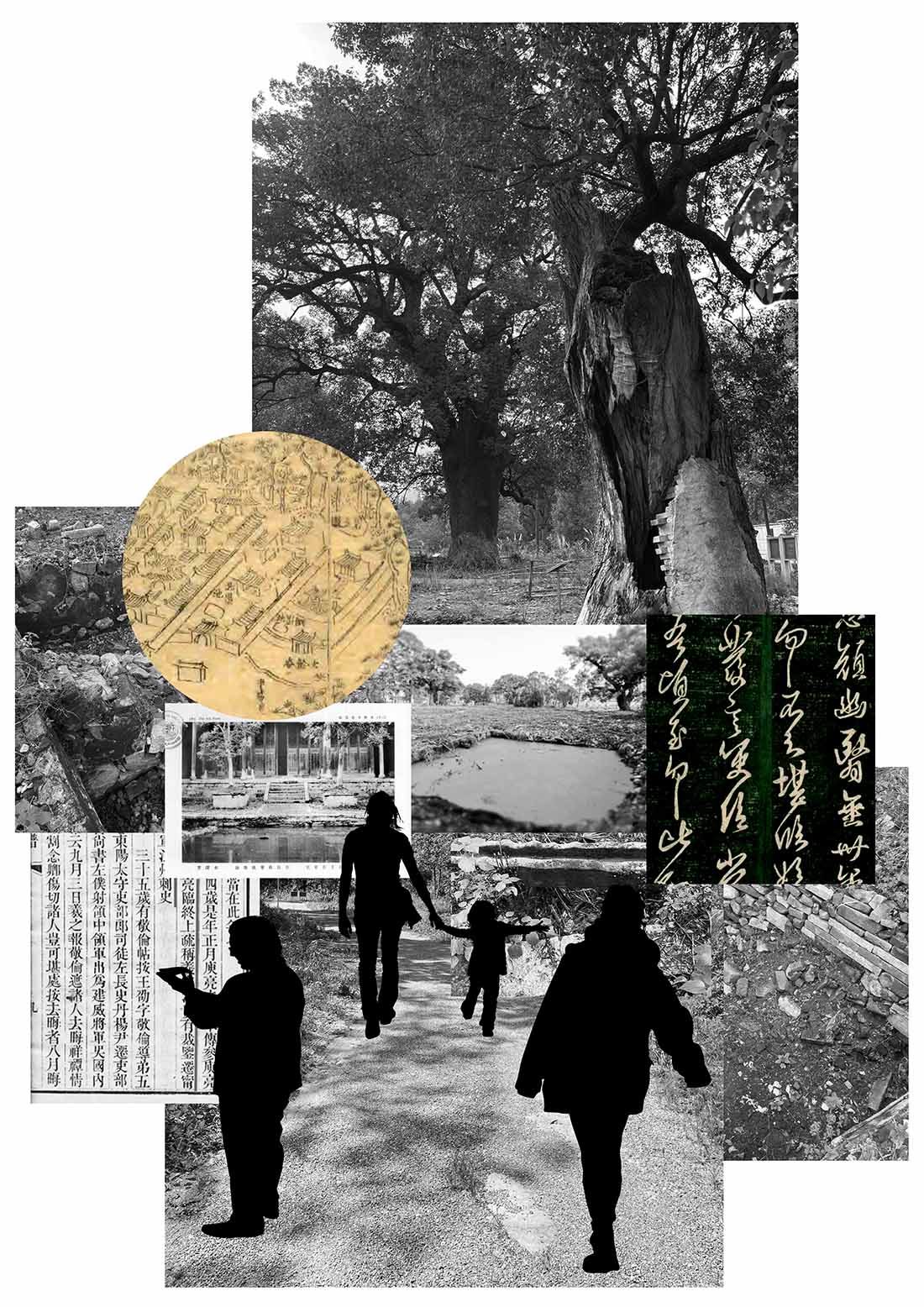
∇ 洗墨池过去与现状© y.ad studio
Ink Wash Pool: past and present © y.ad studio
与许多具有明确建筑遗存的历史遗址不同,洗墨池更接近一种精神性场所:它既象征着书写传统,也象征着文人通过笔墨进行自我修养的文化观念。
因此,场地的价值不仅在于遗址本身,更在于其所代表的文化气质——克制、安静以及向内的精神秩序。
在这样的背景下,设计所面对的问题并非简单的遗址保护或历史复建,而是:如何在当代空间中重新激活这种文化精神。
Unlike many historic sites marked by tangible architectural remains, the Ink Wash Pool is seen as a place of spiritual resonance—symbolizing both the tradition of calligraphy and the literati ideal of self-cultivation.
Its significance lies not only in physical presence, but in the cultural temperament it represents—restraint, quietude, and an inner contemplative order.
The design challenge, therefore, is not simply a matter of preservation or reconstruction, but about how to reactivate its cultural spirit through contemporary design intervention.
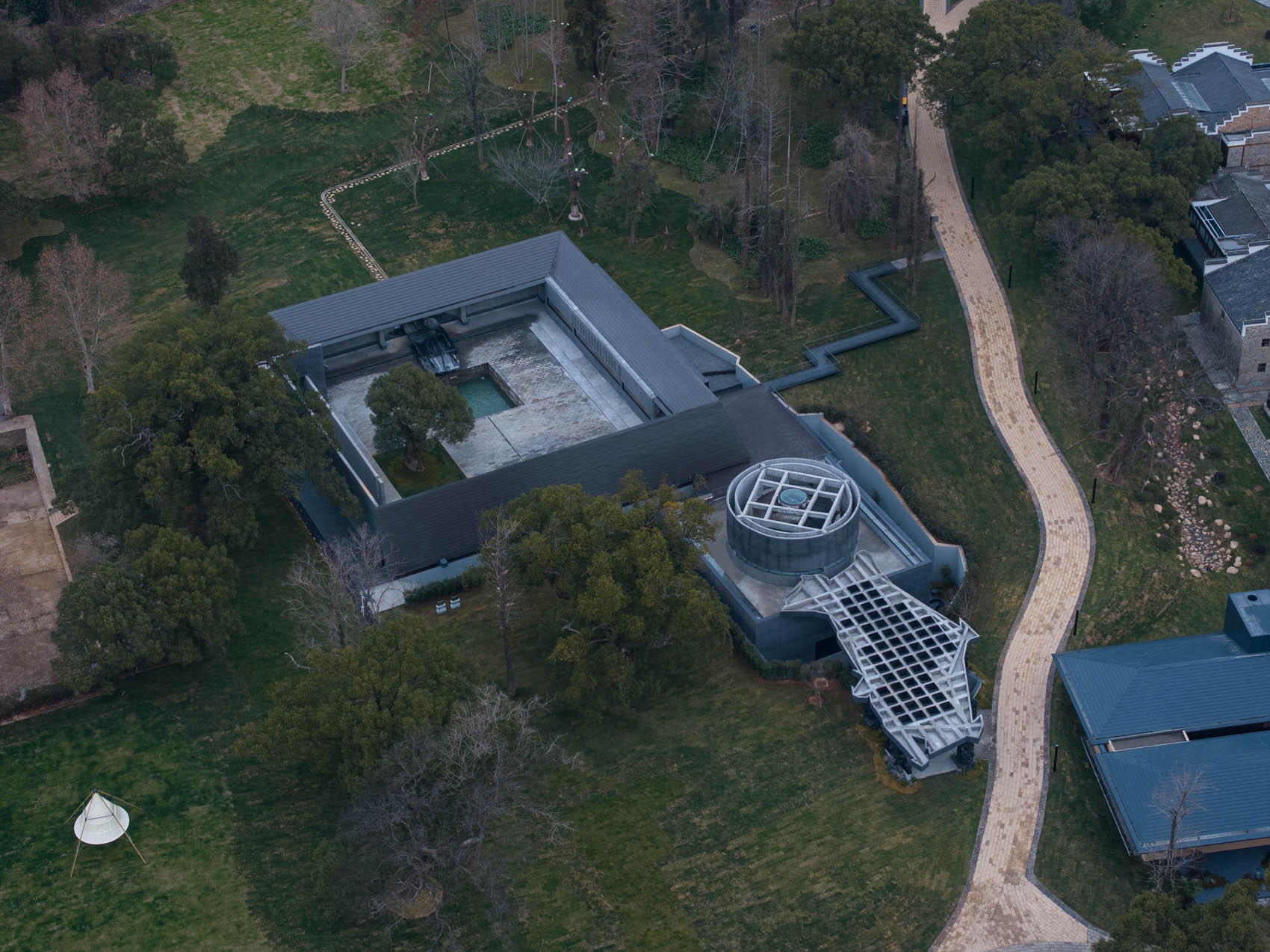
∇ 项目鸟瞰 Aerial view
02 设计立场:在复建与消解之间寻找一种延续方式
Design Approach: Between Restoration and Dissolution
面对历史遗址的更新,常见的路径往往有两种:
一种是形式化的仿古复建,通过复制历史形态来强化文化符号;
另一种则是完全抽离历史语境,以当代建筑语言覆盖场地。
本项目尝试在两者之间寻找一种更为克制的路径。
设计并未将“修旧如旧”作为唯一目标,也没有将历史转化为表层符号,而是通过空间结构与场所关系的重组,使旧址成为新的空间核心。
换言之,设计关注的并不是历史形态的复原,而是文化气质的延续。
洗墨池所象征的文人精神——安静、内省、节制——成为空间组织的重要参照。
In the renewal of historic sites, there are often two common approaches: formal reconstruction that imitates the past, or contemporary interventions that detach entirely from the historical context.
This project seeks a more restrained strategy between the two.
Rather than restoring the site to its original state or translating historical narrative into superficial symbols, the design reorganizes spatial relationships so that the historic site becomes the core of a new spatial order.
The goal is not to reproduce historical form but to carry forward cultural temperament.
The literati spirit embodied by the Ink Wash Pool—quietness, introspection, and restraint—becomes a guiding reference for the spatial composition.
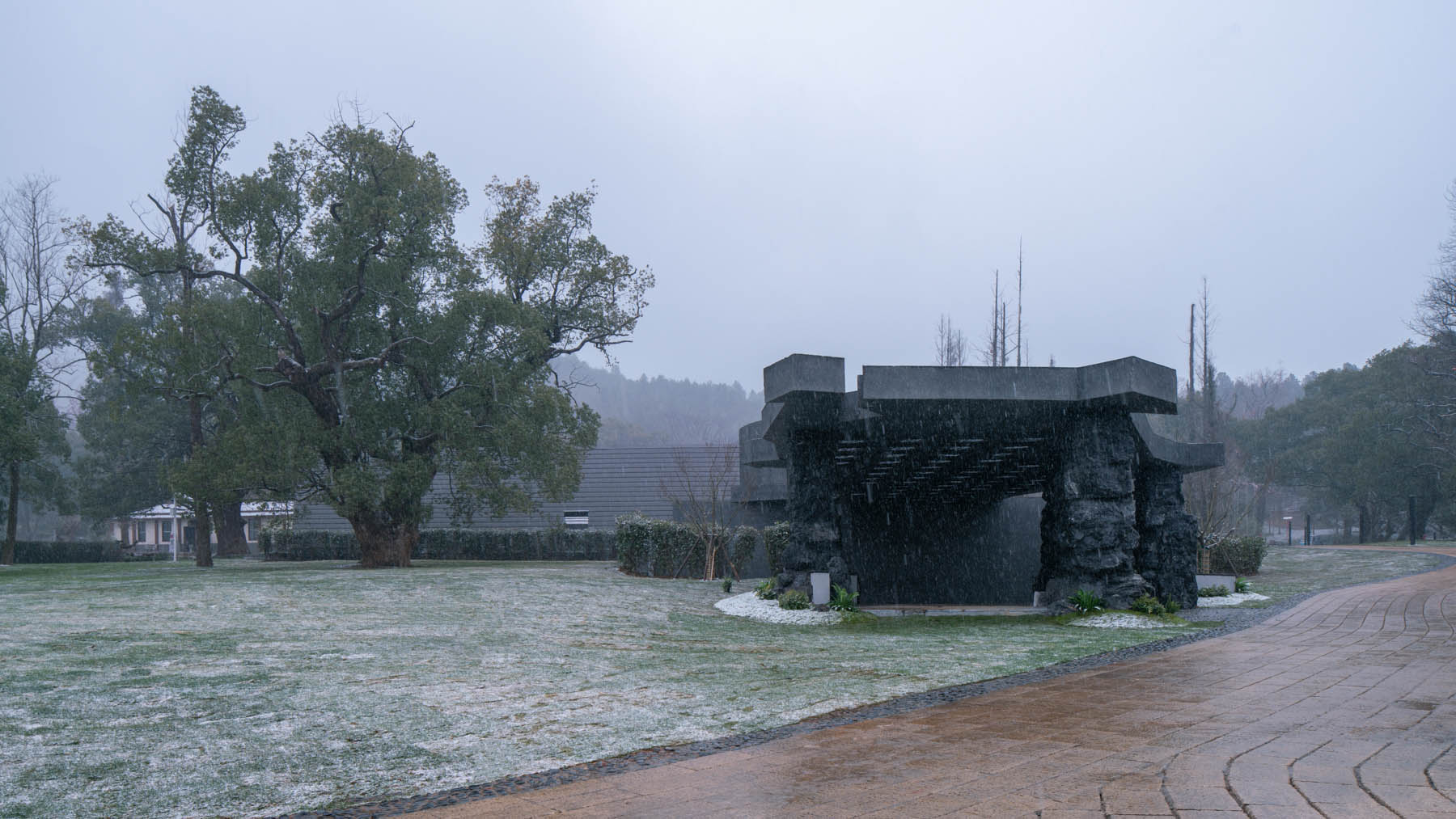
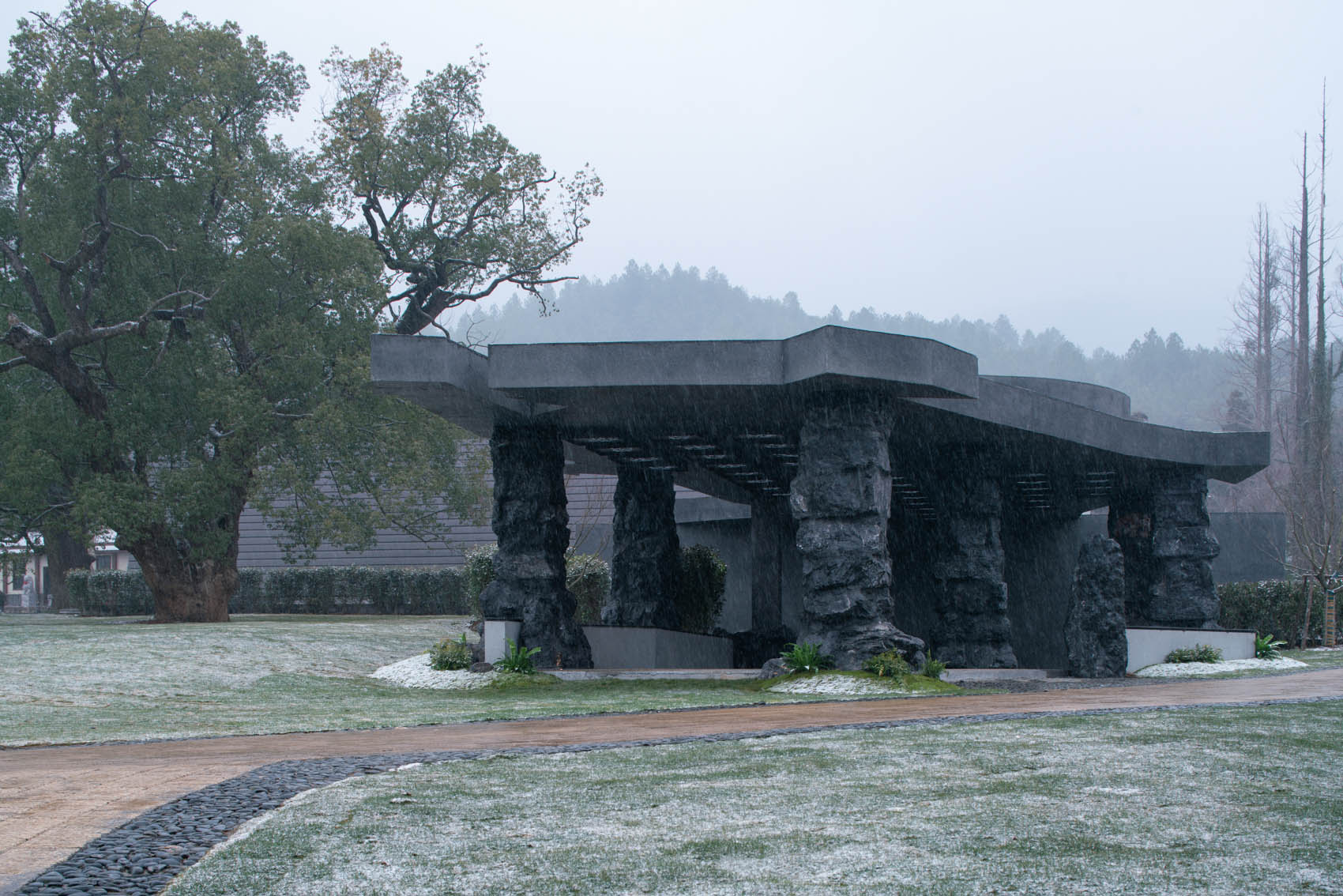
∇ 入口廊亭 Entrance pavilion
相关文章推荐





评论(0)