
以文艺场馆驱动城市的更新发展
Driving Urban Renewal and Development Through a Cultural & Art Venue
一、项目地理人文概况
Project Overview: Geography and Culture
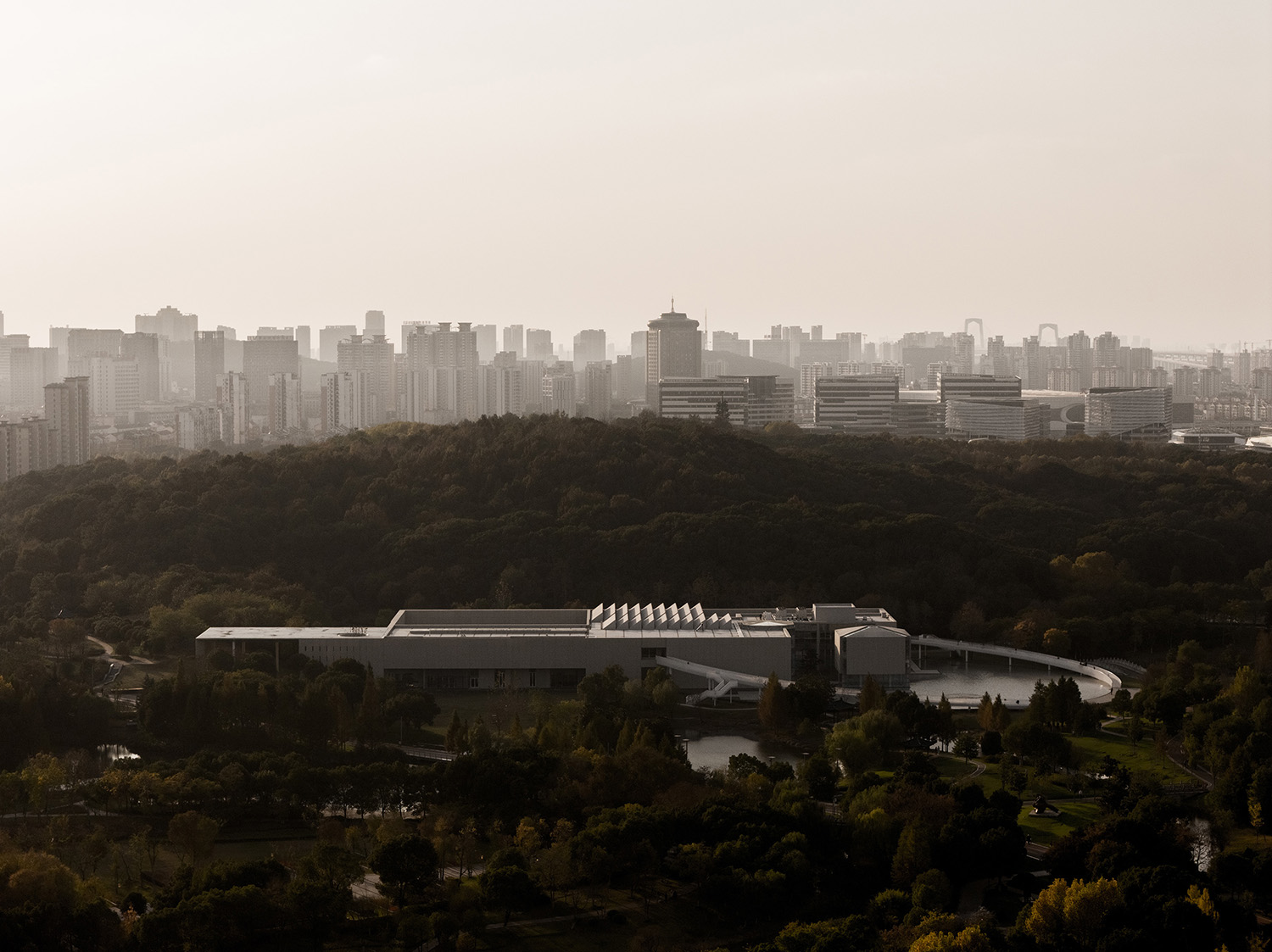
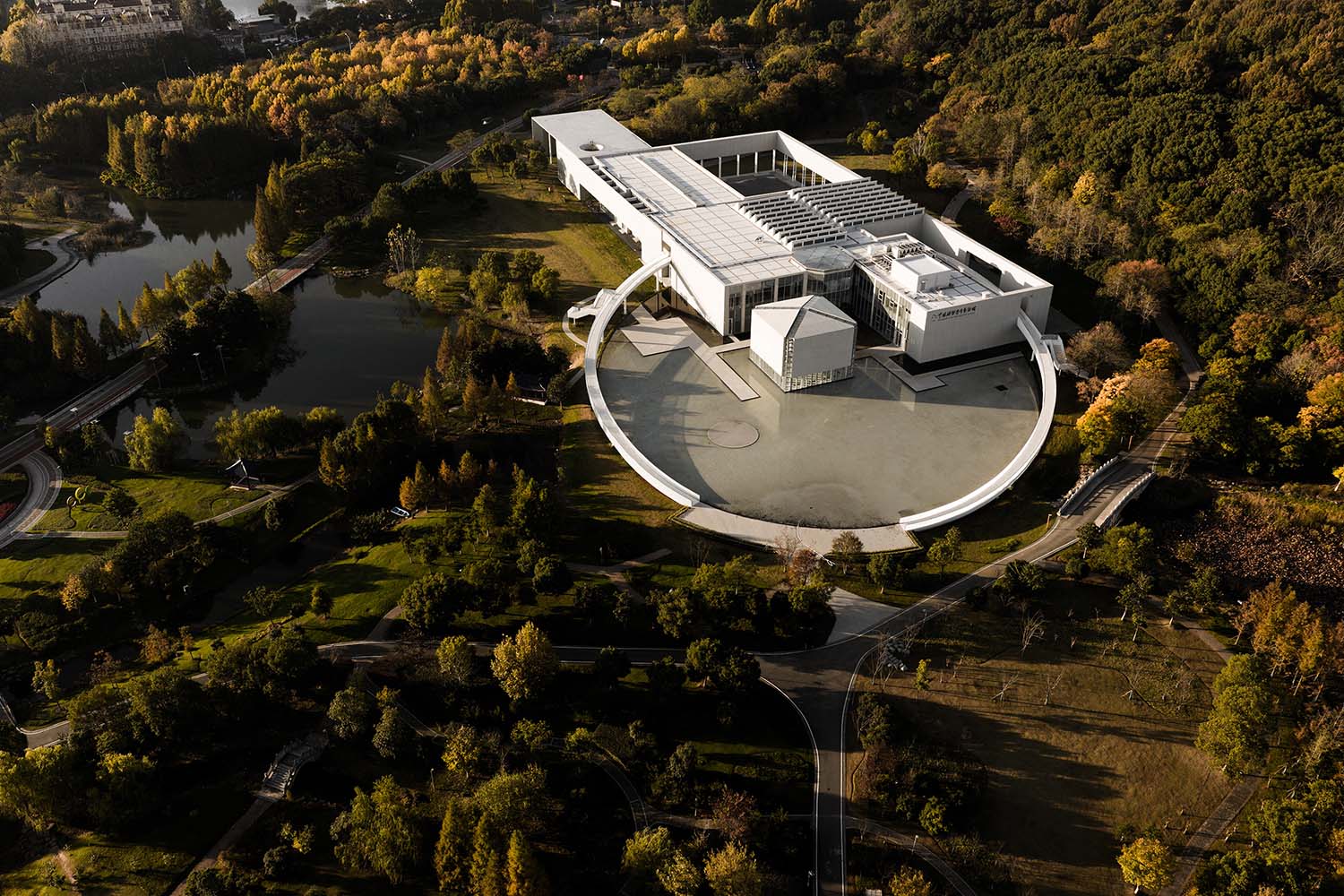
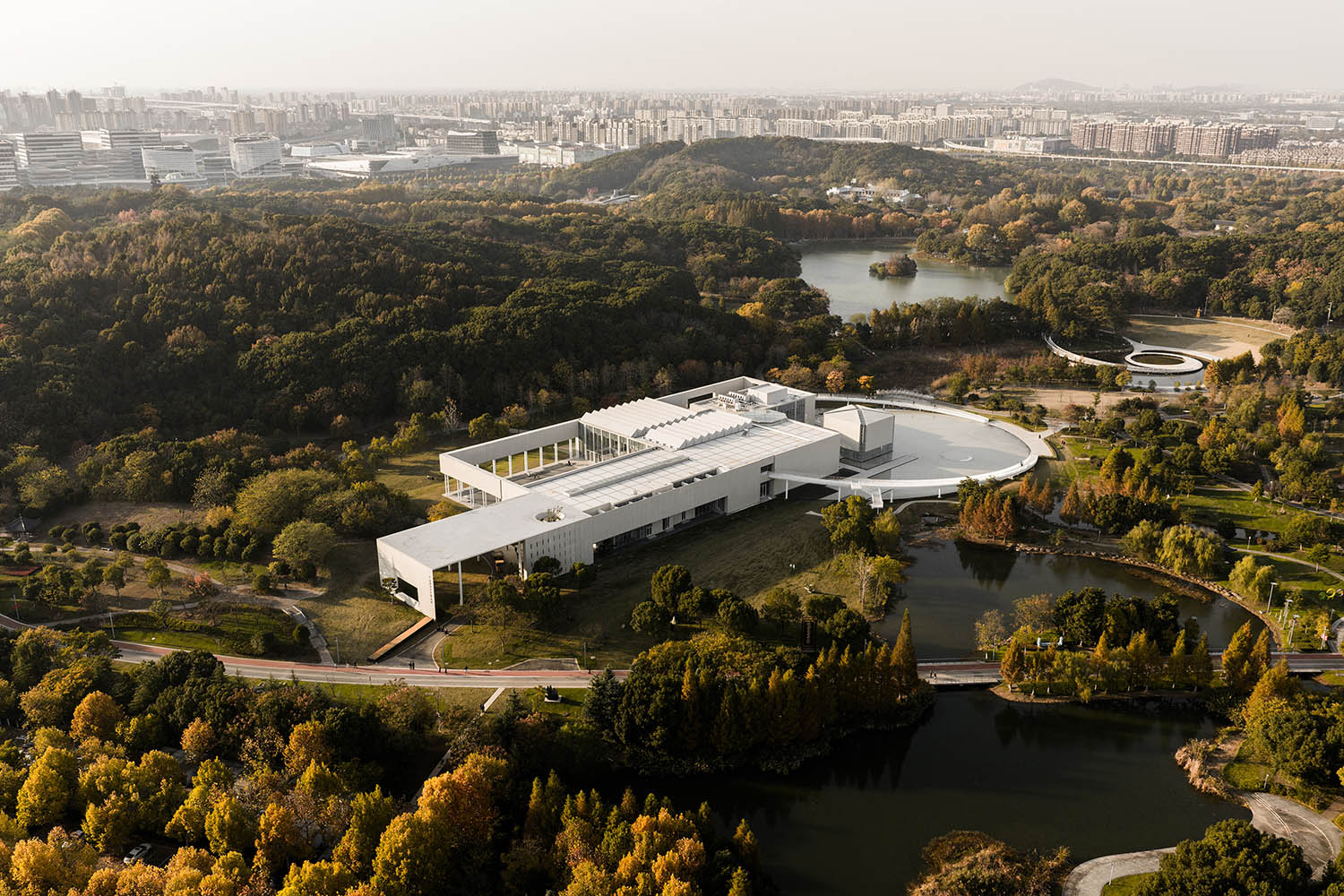
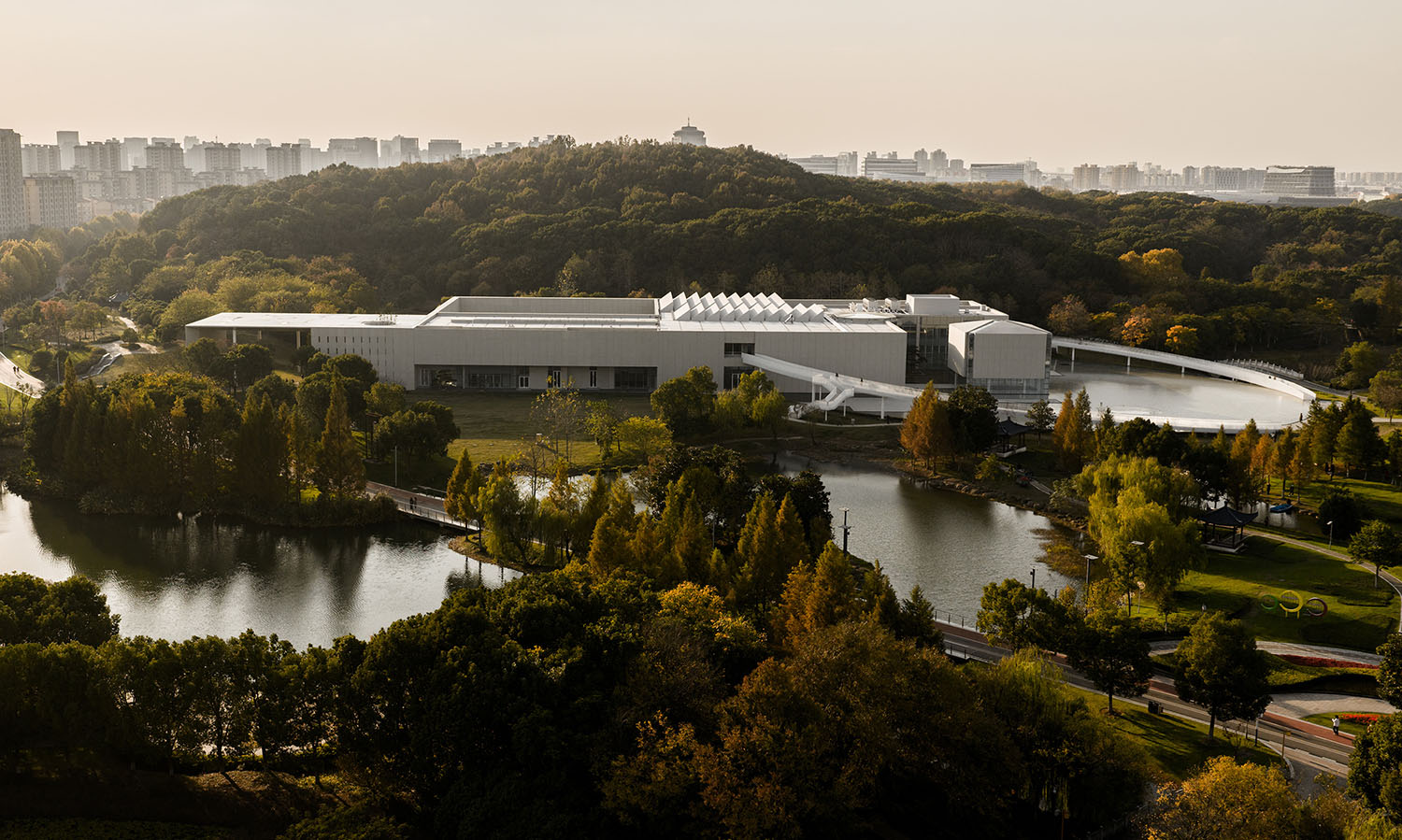
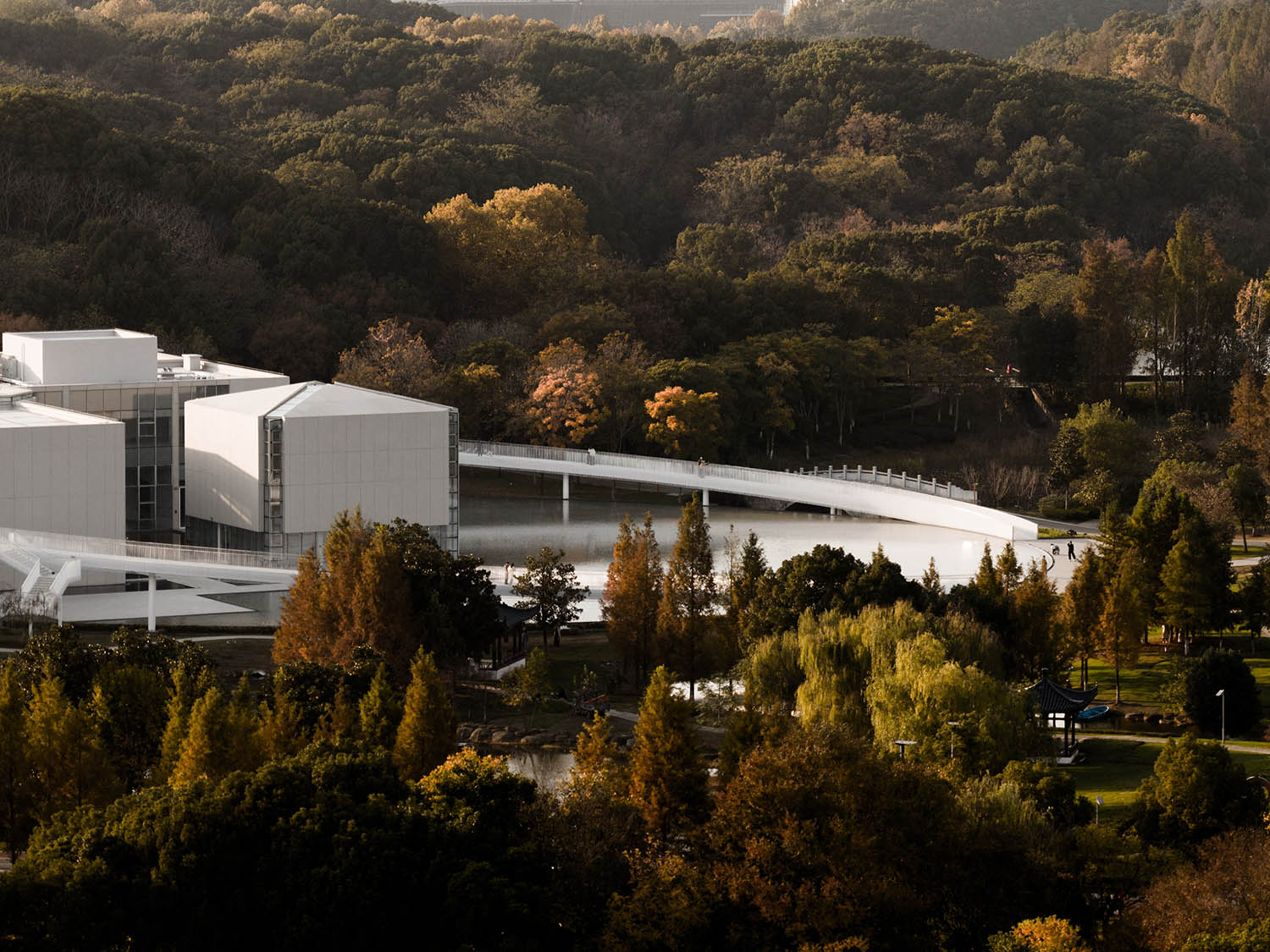
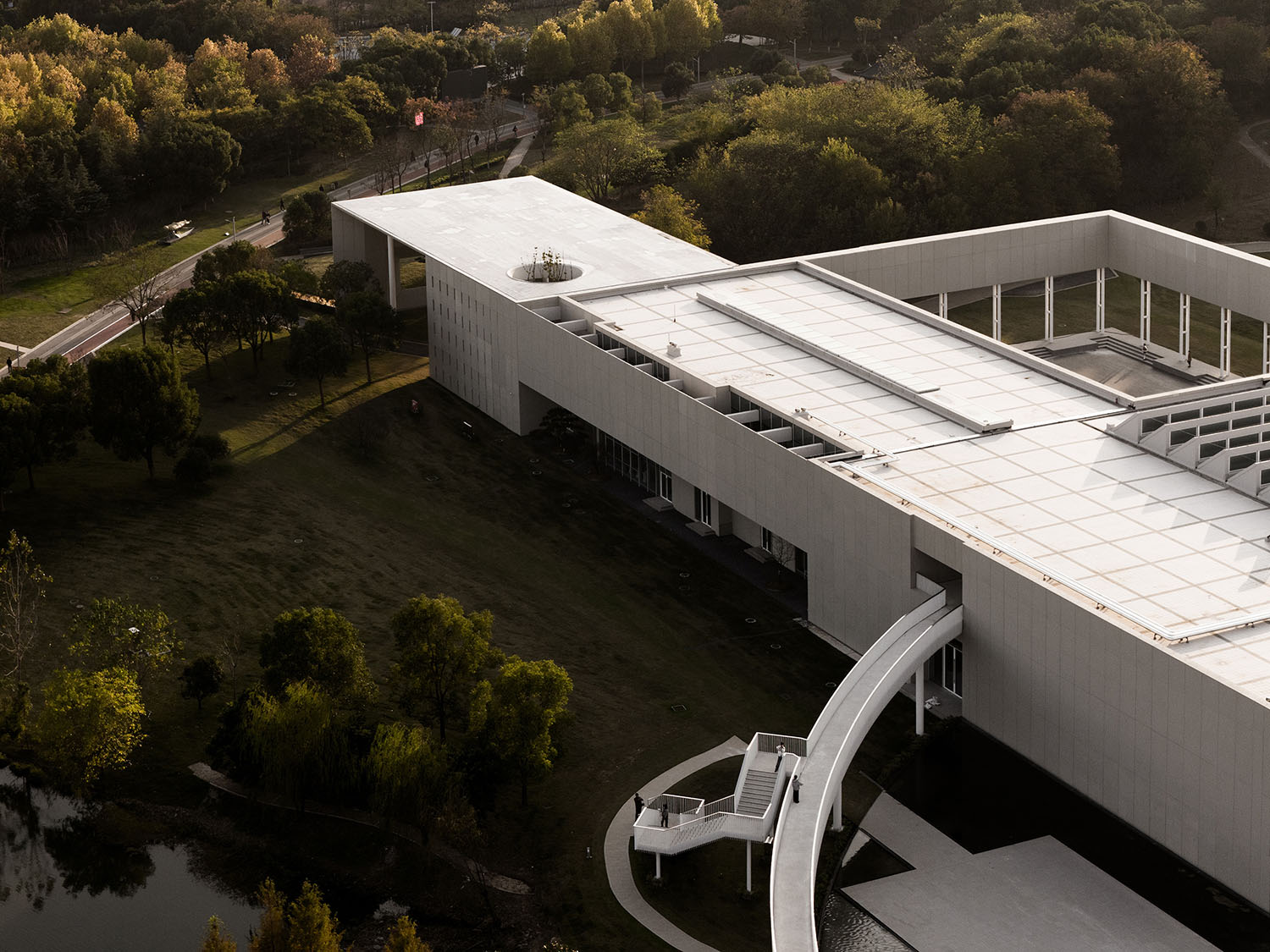
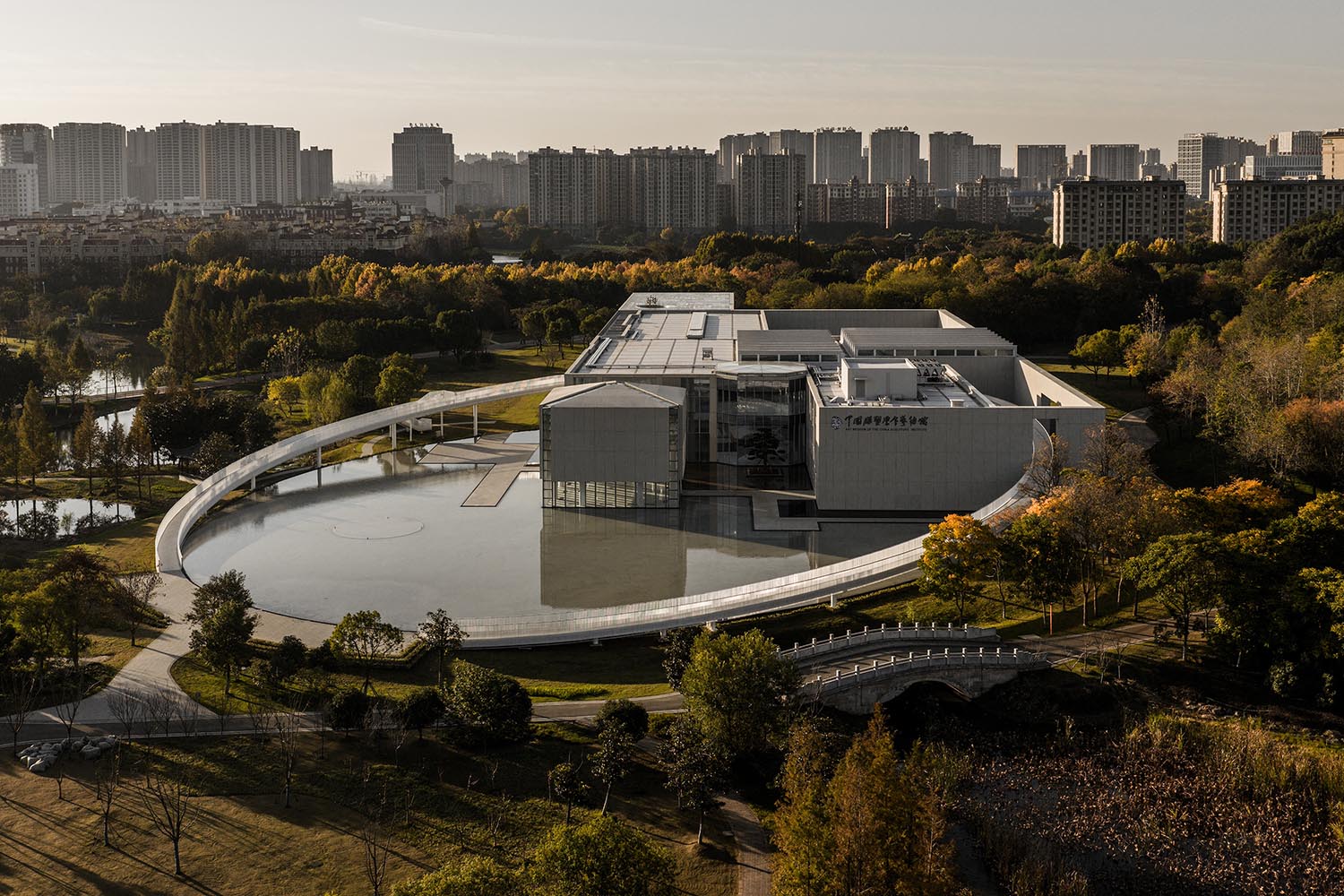
中国雕塑学会艺术馆坐落于安徽芜湖市中心神山公园内,是由废弃花房改造而成的城市更新项目。其所在的芜湖雕塑公园作为国内首个将雕塑文化与自然景观有机融合的主题艺术空间,以8.2公顷的广阔园区,将雕塑艺术(“立体美术”)融入山水意境,形成独特的城市人文景观。园内四季景致如画,与雕塑构建出开放、鲜活的公共艺术界面,现已成为全国最受市民欢迎的城市雕塑公园。
Nestled in Shenshan Park in the downtown area of Wuhu, Anhui Province, the Art Museum of the China Sculpture Institute is an urban renewal project renovated from a disused greenhouse. Its home, Wuhu Sculpture Park, stands as China’s first thematic art space that organically integrates sculpture culture with natural landscapes. Spanning an expansive 8.2 hectares, the park infuses sculptural art—known as “three-dimensional fine art”—into the poetic scenery of mountains and waters, forging a distinctive urban cultural landscape. Boasting picturesque views across all four seasons, the park creates an open and vibrant public art interface together with the sculptures, and has now emerged as one of the most popular urban sculpture parks among citizens nationwide.
二、在地人文脉络的转译
Translation of Local Cultural Heritage
“鸠兹”为芜湖古称,取其“鸠鸟栖水、生机盎然”之意。艺术馆以“鸠落水畔”为意象,呼应在地自然历史基因,并依据中国传统五行系统,将展区划分为木、火、土、金、水五大主题板块。五行学说不仅是物质形态的分类体系,更是一套关于运动、转化与联系的认知方式。艺术馆以金(敛聚)、木(生长)、水(浸润)、火(破灭)、土(融合)五态,构筑出雕塑与空间相生相应的叙事结构。
“Jiuzi” is the ancient name of Wuhu, signifying “Jiuzi bird perching by the water, brimming with vitality”. Drawing inspiration from the imagery of “Jiuzi bird alighting on the waterfront”, the art museum echoes the local natural and historical heritage. In accordance with the traditional Chinese five-element theory (Wuxing), the exhibition area is divided into five thematic sections corresponding to Wood, Fire, Earth, Metal, and Water. More than a mere classification system for material forms, the five-element theory represents a cognitive framework centered on movement, transformation, and interconnection. The museum adopts the five states embodied by the elements—Metal (convergence), Wood (growth), Water (permeation), Fire (dissolution), and Earth (integration)—to construct a narrative structure where sculptures and space interact and resonate with each other.
相关文章推荐



评论(0)